Shut Up About Your Goals: The Surprising Reason Your 9:30 AM Plans Work Better in Silence
Okay, real talk. How many times have you woken up fired up, sat down at your desk around 9:30 AM with a coffee in hand and a head full of ideas, then immediately texted your group chat — or worse, posted an Instagram Story — about everything you were about to do?
And then... didn't really do it?
Yeah. Me too. And it turns out, that's not a willpower problem. It's a brain chemistry problem. And once you understand what's actually happening, the whole "accountability partner" culture that dominates productivity circles starts to look a lot more like a trap.
The Dopamine Trick Your Brain Plays on You
Here's the uncomfortable truth: your brain doesn't fully distinguish between doing a thing and announcing that you're going to do a thing. When you tell someone about your ambitious 9:30 AM writing session or your plan to finally launch that side project, your brain releases a small hit of dopamine — the same reward chemical it would release if you'd actually done the work.
Psychologist Peter Gollwitzer at NYU has studied this for decades. His research shows that when people share their intentions publicly, they experience what he calls a "premature sense of completeness." Essentially, the social recognition you get from announcing the goal partially satisfies the psychological need that was driving you toward it in the first place. The urgency deflates. The fire dims.
In plain terms: talking about your goals tricks your brain into feeling like you've already made progress. And that's a really sneaky way to waste your best morning hours.
Why 9:30 AM Is Especially Vulnerable to This
Morning is peak goal-energy time for most people. Cognitive research consistently points to the late morning window — roughly 9 to 11 AM — as when the prefrontal cortex (your decision-making, ambition-driving brain region) is running at high capacity. You're rested, cortisol is naturally elevated in a helpful way, and your focus hasn't yet been eroded by the day's friction.
That's exactly why what you do with that window matters so much.
When you spend even fifteen minutes of that window texting your goals to a friend, posting to your accountability group, or explaining your creative vision to someone who asked how your morning was going — you're redirecting your peak mental energy into social performance rather than actual output. You're essentially burning premium fuel on the runway instead of using it to take off.
The Stealth Mode Thing Is Real
If you pay attention to how a lot of high-performers in tech and entrepreneurship actually operate, you'll notice a pattern: they tend to be weirdly quiet about what they're working on until it's done. Not secretive in a paranoid way — just... focused. Working in what some call "stealth mode."
This isn't just about protecting ideas from competition. It's about protecting motivation from premature social validation. When nobody knows what you're building at 9:30 AM, the only feedback loop that matters is the actual work itself. There's no applause for the announcement, so the only reward available is finishing.
Some of the most prolific creators and founders talk about this almost like a ritual — keeping their morning work sacred and unannounced until there's something real to show. The talking comes after the doing.
But Wait — Isn't Accountability a Good Thing?
This is where it gets nuanced, and I want to be honest about it.
Accountability can work. The research shows it works best in very specific conditions: when the accountability is tied to process rather than outcome, and when it involves consequences rather than just praise.
Telling your friend "I'm going to write a chapter this morning" and getting a heart emoji back? That's the dopamine trap.
Having a standing check-in where you report whether you actually showed up — not what you plan to do, but what you did — is a different animal entirely. The distinction is subtle but it matters a lot.
The accountability partner model that dominates social media and productivity podcasts tends to focus on the exciting announcement phase. That's the part that feels good and gets engagement. The quieter, less glamorous version — where you just go do the thing and report back later — is less shareable but significantly more effective.
What to Do With Your 9:30 AM Instead
So what does this mean practically? A few things I've started doing that have genuinely shifted how my mornings feel:
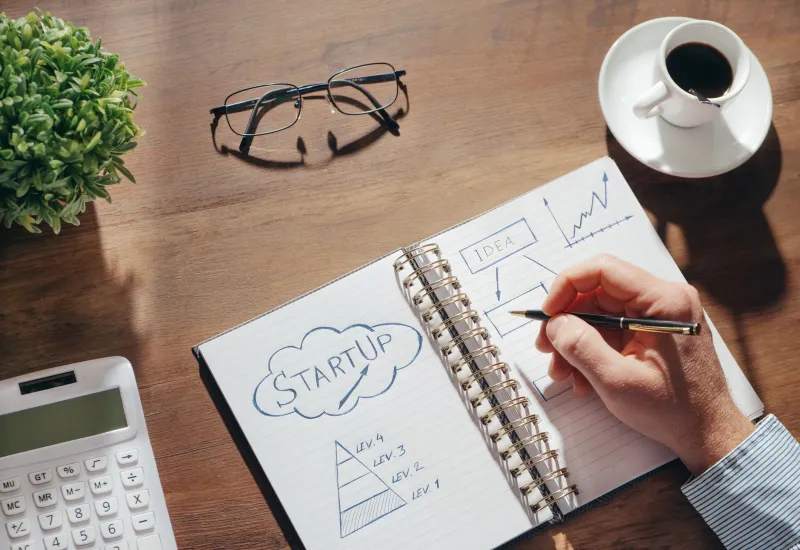
Keep the plan internal until the work is done. Write it in a notebook. Put it in your calendar. Keep it between you and the blank page. The announcement can wait until 11 AM when you've actually made a dent.
Delay social media until after your peak window. Even just checking it first thing can pull you into a performance mindset — suddenly you're thinking about how your morning looks rather than what it produces.
Reframe accountability as a check-in, not a kick-off. If you genuinely benefit from external accountability, structure it so the check-in happens after the work, not before it. "Here's what I got done this morning" is a very different conversation than "here's what I'm about to do."
Notice the buzz. Seriously, just start noticing the small dopamine hit you get from announcing things. It's subtle, but once you feel it, you can't unfeel it — and that awareness alone can break the habit.
The Quiet 9:30 AM Is Often the Most Powerful One
There's something kind of countercultural about this whole idea, especially right now when "building in public" is so trendy and accountability culture is everywhere. I'm not saying go full hermit mode. I'm saying be strategic about when you let other people into your creative process.
Your 9:30 AM is a limited resource. The version of your brain you have in that window won't be back until tomorrow. Spending even a fraction of it performing your ambitions for an audience — even a supportive one — is a trade-off worth taking seriously.
Sometimes the most productive thing you can do is close the group chat, ignore the accountability thread, and just... work. Quietly. Without telling anyone.
The results can speak for themselves later.