30 Days Without Snoozing: The Morning Experiment That Low-Key Rewired My Brain
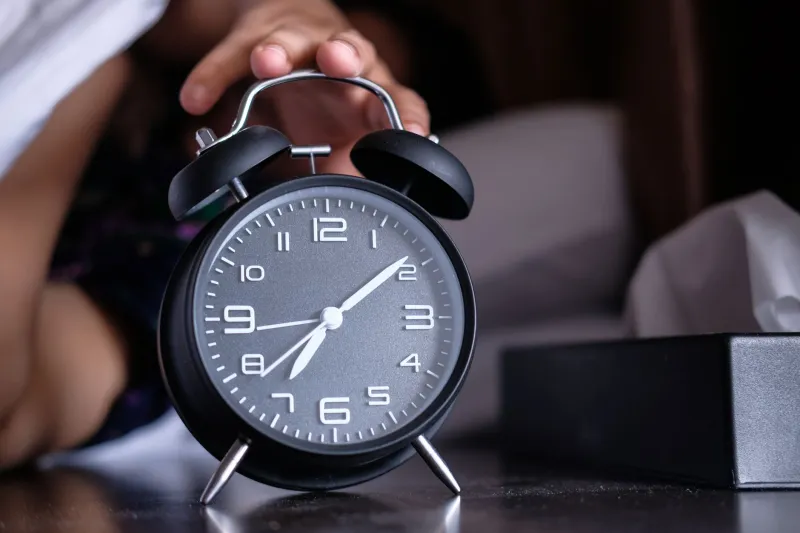
The Snooze Button Has Always Been My Love Language
Let's be real. For most of my adult life, my alarm has been more of a suggestion than a command. I'd set it for 8:15, hit snooze twice, and somehow justify stumbling out of bed at 8:43 like I'd won something. Sound familiar? Yeah, I thought so.
But here's the thing — I kept noticing that by the time 9:30 AM rolled around, I was either firing on all cylinders or completely dragging. And the difference almost always traced back to how I started the morning. Not what I ate. Not how much coffee I had. How I woke up.
So I decided to run a little experiment. Thirty days. No snooze. One alarm, one wake-up time, no negotiations with myself at 7 AM. I documented everything — energy levels, mood, focus, even how I felt by that 9:30 window I've come to think of as my personal productivity sweet spot.
Here's what actually happened.
Week One Was Genuinely Rough (Don't Let Anyone Tell You Otherwise)
I'm not going to sugarcoat this. The first week was a grind. I set my alarm for 7:00 AM every day — including weekends, which felt borderline criminal — and I stuck to it. No snooze. The moment it went off, I sat up, feet on the floor.
My body was confused. My mood was not great. I drank more water than usual because I needed something to do with my hands instead of reaching for my phone to tap that snooze button. There were a couple of mornings where I genuinely just sat on the edge of my bed for two full minutes, staring at the wall like a loading screen.
But here's what I noticed by day five: I was actually tired by 10 PM. Like, naturally tired. Not doomscrolling-until-midnight tired. My body was starting to recalibrate its internal clock, and even though mornings still felt rough, evenings were getting easier.
The Shift That Hit Around Day 12
Somewhere in the middle of week two, something quietly clicked. I started waking up a minute or two before my alarm. Not every day, but enough times that I noticed. My body was figuring out the rhythm.
More importantly, I noticed what was happening at 9:30 AM. Instead of shaking off that groggy, half-asleep fog I used to carry with me until 10 or 11, I was genuinely alert. Like, ready-to-tackle-my-inbox, actually-want-to-go-for-a-walk alert. The quality of my focus during that morning window was noticeably sharper.
Sleep researchers call this "sleep inertia" — that heavy, disoriented feeling you get when you're abruptly pulled out of deep sleep, which is exactly what happens when you snooze and then get yanked awake again mid-cycle. Every time you hit snooze, you're potentially starting a new sleep cycle you won't be able to finish. You're not getting rest. You're getting interrupted rest, which is somehow worse than just getting up.
I'd read that before, but living it made it hit differently.
What Changed Beyond Just the Mornings
Okay, here's where it gets interesting — because the ripple effects went way beyond waking up feeling less like a zombie.
My decision-making got better earlier in the day. I used to push anything requiring real thought to the afternoon. During the experiment, I found myself tackling harder tasks before noon without even thinking about it. That 9:30 window became legitimately productive in a way it never had been before.
I stopped relying on caffeine as a crutch. I still had my coffee — I'm not a monster — but I wasn't desperate for it the way I used to be. I wasn't using it to drag myself into consciousness. I was just enjoying it.
My mood in the evenings improved. This one surprised me the most. I felt less anxious at night, probably because I wasn't lying awake worrying about whether I'd be able to drag myself out of bed the next morning. The consistency took that mental load off the table.
I actually had time for things I kept saying I had no time for. A quick walk. Reading something that wasn't a notification. Making a real breakfast instead of grabbing a granola bar on the way out the door. Twenty minutes sounds small, but when you stop losing it to snooze cycles, it adds up fast.
The Hard Truth About What Makes This Work
Here's what I won't do: pretend this experiment is a magic fix or that it's easy for everyone. If you're dealing with sleep deprivation, a health issue, or a schedule that genuinely doesn't allow for consistent wake times, this advice lands differently. Life in the US is not exactly designed for ideal sleep hygiene — early commutes, late shifts, kids, hustle culture guilt. I see you.
But if you're someone who could wake up consistently and just hasn't committed to it? The snooze button is costing you more than you think. Not just minutes — but the quality of the hours that follow.
The thing that made this experiment stick wasn't willpower. It was making the morning something I didn't want to skip. I started putting something small and genuinely enjoyable in that first 30 minutes — a podcast I liked, a walk around the block, even just sitting outside with my coffee for ten minutes. When the morning stops feeling like punishment, you stop trying to delay it.
So, Would I Recommend It?
Absolutely — with one caveat. Don't just ditch the snooze button. Replace the habit. Give yourself a reason to get up that isn't just "because productivity." Make the morning feel like yours.
By day 30, I wasn't even thinking about the snooze button. It had stopped being tempting. My 9:30 AM felt like a completely different version of itself — focused, calm, and actually mine. And honestly? That's the whole point.
If you want to try it, start with just one week. Set one alarm. No snooze. See what your 9:30 looks like on the other side. I have a feeling you'll surprise yourself.